
El Paso County · Residential · Attic mold specialists
Manitou Springs Residential Attic Mold Removal
Attic mold thrives in Manitou Springs' older hillside homes—we stop it before it spreads.
How We Remove Attic Mold
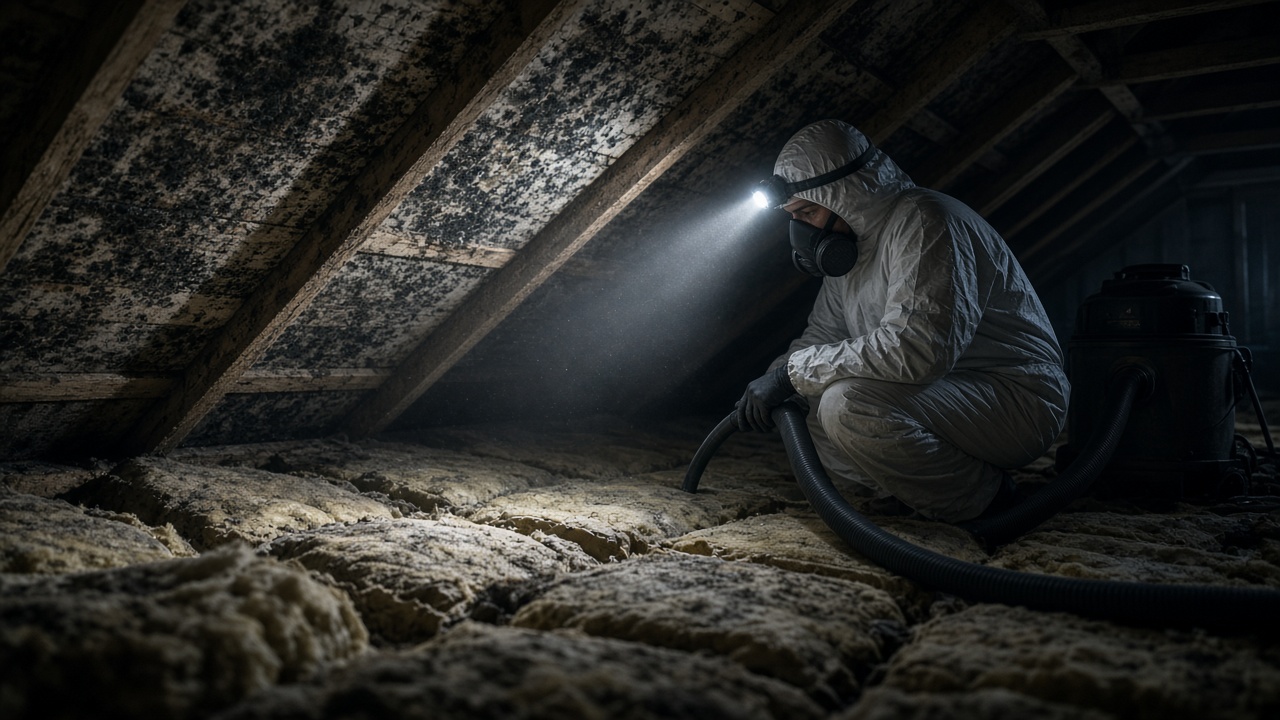
Attic mold isn't just an eyesore—it's a health risk and a sign that moisture is winning the battle inside your home. In Manitou Springs, where snowmelt runoff and roof leaks are common on hillside properties, attic mold can hide for months while it damages insulation, framing, and air quality. If you've noticed a musty smell in upper bedrooms, dark spots on roof decking, or soft insulation, mold is already established. We get in, identify the source, remove the contamination safely, and fix the conditions that let it grow.
Our process starts with a thorough inspection of your attic space—ventilation, roof penetrations, insulation condition, and any signs of active water intrusion. We photograph findings and explain what we see in plain terms. If mold is present, we contain the work area, use HEPA-filtered equipment to remove affected insulation and materials, and apply EPA-approved antimicrobials to exposed wood framing. We pay special attention to roof valleys and areas near dormers where Manitou Avenue-side wind-driven rain and snowmelt can pool.
Once contamination is cleared, we address the root cause: improving attic ventilation, sealing roof leaks, or repositioning insulation so air can flow. Many older homes on Ruxton Avenue and the historic downtown side of town lack adequate soffit or ridge vents; we assess what's needed and recommend repairs. We don't leave the attic worse than we found it—our goal is a dry, mold-free space that stays that way.
Dispatch & Field Operations for Manitou Springs
How Restoration King manages attic mold from roof leaks, insulation, and poor ventilation for homes across Manitou Springs and El Paso County.
- Full attic inspection with: moisture mapping and photo documentation
- On-site work: Mold identification and assessment of contamination scope
- Colorado Springs Headquarters: Emergency crews dispatch from our Colorado Springs headquarters (view on Google Maps) — serving homes from historic downtown to hillside streets and Garden of the Gods nearby.
What We Look For in Your Attic
Every attic inspection includes a visual survey for active mold, water stains, roof leaks, insulation saturation, and ventilation gaps. We check for condensation patterns, ice damming damage, and signs of animal nesting or prior water events. We also assess whether insulation is blocking airflow at eaves—a common trap on hillside properties near Highway 24 where wind and weather exposure is high. If we suspect mold, we may recommend a limited air or surface sample to confirm species and extent before remediation begins.
We document everything with photos and notes so you understand what's driving the problem. Many Manitou Springs homeowners don't realize that poor attic ventilation or a slow roof leak can create the perfect breeding ground for mold long before it becomes visible. Our inspection report explains the connection between moisture source, ventilation, and mold growth—and outlines what needs to happen next.
Use this checklist to prepare for your attic mold inspection and understand what our remediation process covers.
- Identify visible mold, dark stains, or musty odors in attic or upper rooms
- Note any roof leaks, water stains on decking, or soft/discolored insulation
- Check attic access—clear debris and ensure safe entry
- Review roof and gutter condition from ground (missing shingles, debris buildup)
- Assess attic ventilation—look for blocked vents or condensation on cold mornings
- Document any recent water events (heavy snow, ice dams, plumbing leaks)
- Confirm attic insulation type and condition (fiberglass, cellulose, or blown-in)
- Note any HVAC ducts or plumbing in attic that may be sweating or leaking
- Schedule inspection before spring thaw season (snowmelt is peak mold season here)
- Prepare list of any previous water damage repairs or roof work
- Clear bedroom closets and upper-floor spaces for airflow assessment
- Arrange safe attic access—we bring our own ladders and protective equipment
We handle the rest. Bring your questions—we're here to explain what we find and why it matters for your home.
What's Included in Our Attic Mold Removal
- Full attic inspection with moisture mapping and photo documentation
- Mold identification and assessment of contamination scope
- Safe containment and removal of affected insulation and materials
- HEPA-filtered air scrubbing and antimicrobial treatment of exposed framing
- Ventilation evaluation and recommendations for airflow improvement
- Roof leak assessment and guidance on sealing (we can recommend or coordinate repairs)
- Post-removal verification and air quality confirmation
We leave your attic clean, dry, and set up to stay that way. If additional roof or ventilation work is needed, we'll recommend trusted contractors or handle it ourselves.
Related situations in Manitou Springs
Mold Removal & Remediation
Containment and removal when moisture turns into mold.
Water Damage Restoration
Stop the water and dry the structure before secondary damage.
Air Duct Cleaning
Reduce dust that resettles after cleaning day.
Odor Removal
Neutralize smoke, sewage, pet, and musty odors at the source.
Manitou Springs Residential Attic Mold Removal FAQ
How do I know if I have attic mold?
Common signs include musty smells in upper bedrooms, dark spots or discoloration on attic decking or insulation, soft or discolored insulation, and visible mold growth on wood framing. Many Manitou Springs homeowners don't notice attic mold until allergy symptoms spike or a roofer spots it during routine work. If you suspect mold, call us at (719) 282-0997 for a free visual assessment.
What causes attic mold in Manitou Springs?
Our hillside location and heavy snowmelt create ideal conditions for attic moisture. Roof leaks from wind-driven rain or ice dams, inadequate ventilation (especially in older homes), blocked soffit vents, and pipe condensation are the main culprits. Poor insulation placement that blocks airflow at eaves traps moisture and accelerates mold growth—we see this often on properties along Ruxton Avenue and near historic downtown.
Can I remove attic mold myself?
We don't recommend it. Attic mold disturbance can spread spores throughout your home and expose you to health risks. If the contamination is small (less than a few square feet) and you know the moisture source is fixed, surface cleaning may be an option—but larger infestations require professional containment and removal. Call us to assess the extent before you start.
How long does attic mold removal take?
Inspection typically takes 1–2 hours. Remediation depends on scope: small areas may be completed in a day, while extensive contamination may take 2–3 days. We'll give you a timeline after inspection and explain what happens each day so you know what to expect.
Will you help me find a roofer if I need roof repairs?
Yes. If our inspection reveals a roof leak or ventilation problem, we'll recommend trusted contractors we work with regularly, or we can discuss whether we can handle the work in-house. We want your attic to stay mold-free, which means fixing the root cause—not just the symptoms.
Do you service renters and landlords in Manitou Springs?
Absolutely. If you're renting and notice mold, contact your landlord or property manager—they should arrange professional removal. If you're a landlord or property manager, we work with you to remediate quickly and document the work for insurance and tenant communication. Call (719) 282-0997 to discuss your situation.
Nearby communities
- Residential Attic Mold Removal in Colorado Springs
- Residential Attic Mold Removal in Fountain
- Residential Attic Mold Removal in Security-Widefield
- Residential Attic Mold Removal in Stratmoor
- Residential Attic Mold Removal in Fort Carson
- Residential Attic Mold Removal in Monument
- Residential Attic Mold Removal in Falcon
- Residential Attic Mold Removal in Peyton
Restoration King — Colorado Springs
Serving El Paso County and nearby Front Range communities.
Stop Attic Mold Before It Spreads
Call (719) 282-0997 or contact us today for a free attic inspection and mold assessment in Manitou Springs.