
El Paso County · Residential · Attic mold specialists
Peyton Residential Attic Mold Removal
Attic mold in Peyton spreads fast—we stop it before it reaches your living spaces.
How We Remove Attic Mold
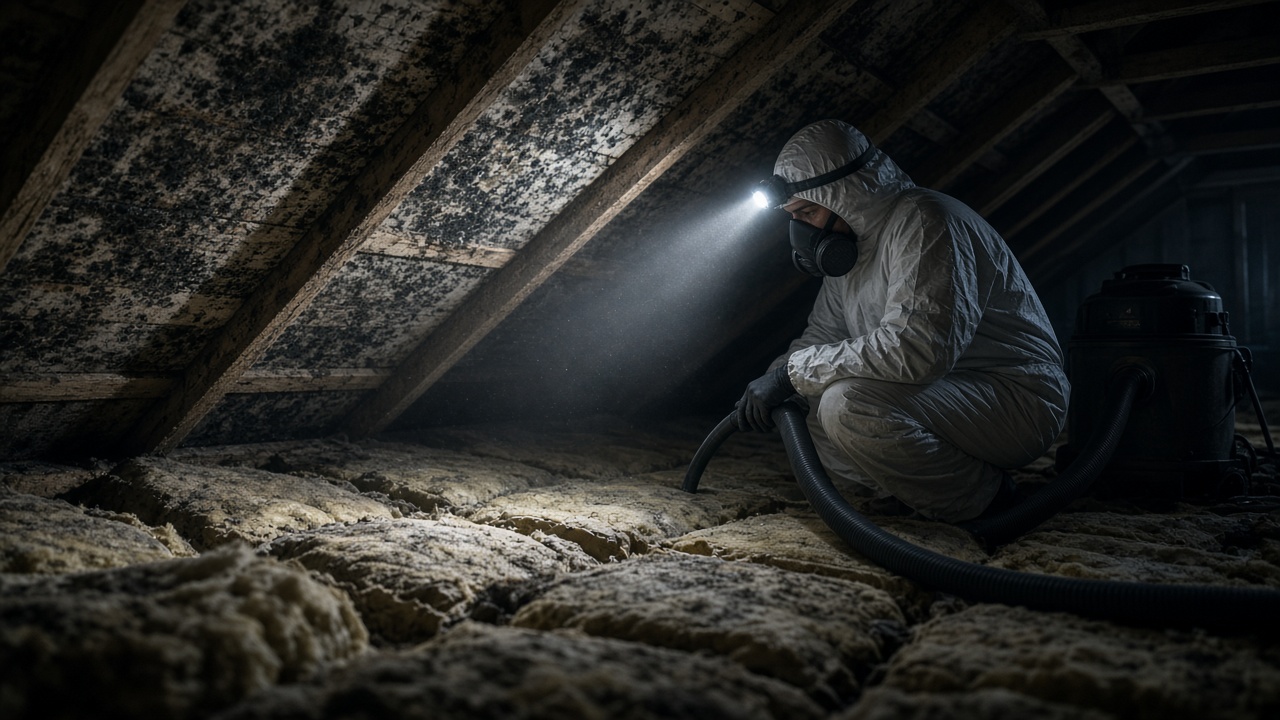
Attic mold isn't something you can ignore or DIY away. It grows silently behind your insulation, feeds on roof moisture, and can eventually drop spores down into bedrooms and living areas where your family breathes. If you've noticed musty odors in your home, seen dark patches in the attic, or had a roof leak in the past few years, mold is likely already colonizing up there. The longer you wait, the larger and costlier the job becomes—and the greater the health risk, especially for kids and anyone with respiratory sensitivity.
We start with a thorough inspection using moisture meters and thermal imaging to map exactly where mold is hiding and why it's growing. Peyton's climate—high winds on the eastern plains, plus the way older roof lines settle—creates ideal conditions for water intrusion. Once we've documented the problem, we isolate the attic work area with containment barriers so spores don't spread into your living spaces during removal. Our crew removes contaminated insulation, treats affected framing with antimicrobial solutions, and identifies the source of moisture (usually roof leaks near dormers or valleys, or ventilation failures around Highway 24 and Peyton Highway where wind-driven rain is common).
After remediation, we work with you to fix the root cause—resealing roof penetrations, improving attic ventilation, or upgrading insulation. We use IICRC-trained protocols so the job is done safely and thoroughly. Once the attic is dry and clean, we install new insulation and seal any gaps that let moisture or air leaks back in. Many of our Peyton homeowners and landlords in the growing subdivisions east of Falcon appreciate that we handle the entire chain: finding the leak, removing the mold, and preventing it from coming back.
Dispatch & Field Operations for Peyton
How Restoration King manages attic mold from roof leaks, insulation, and poor ventilation for homes across Peyton and El Paso County.
- Full moisture mapping and: mold identification with photos and written findings
- Containment setup to prevent: spore migration into living areas
- Colorado Springs Headquarters: Emergency crews dispatch from our Colorado Springs headquarters (view on Google Maps) — serving homes from Falcon nearby and eastern plains housing.
Our Attic Inspection Process
We don't guess. Every attic mold job begins with a full moisture and mold assessment. We climb into your attic with professional-grade equipment to measure humidity levels, identify active leaks, and pinpoint mold colonies by color, texture, and extent. We photograph everything and explain what we find—no sales pitch, just facts about whether you're looking at surface mold on a single rafter or deep colonization in insulation that spans half the attic. El Paso County's dry climate actually makes moisture problems more conspicuous; when water gets into an attic here, it tends to pool and create large mold zones.
We also check ventilation. Many homes in Peyton's newer subdivisions have soffit vents or ridge vents that are either blocked by insulation, clogged by dust, or undersized for the attic space. Poor airflow traps humidity and prevents the attic from drying naturally, which is why mold keeps returning. Our inspection includes a review of your roof's condition, flashing integrity, and any prior water damage history. If you've had a claim or recall work done, we verify that repairs were sealed correctly.
Use this checklist to prepare for your inspection and understand what we'll address.
- Document any roof leaks, water stains, or soft spots you've noticed in ceilings or walls
- Note musty or earthy odors, especially in bedrooms, closets, or upper hallways
- Record dates of heavy rain, wind storms, or snow melt that preceded any smell or dampness
- Check attic insulation for dark discoloration, soft spots, or visible mold (do not disturb)
- Inspect soffit and ridge vents for dust, insulation blocking, or exterior debris
- Look for condensation on attic nails, rafters, or ductwork on cold mornings
- Identify any previous roof repairs, flashing work, or skylights installed
- Note the age of your roof shingles and any curling, missing, or damaged shingles visible from ground
- List any basement or crawlspace moisture issues (often linked to attic drainage and ventilation)
- Prepare access to attic (ladder safety, electrical hazards, rafter spacing) so crew can work safely
- Gather any prior water damage claims, insurance reports, or home inspection notes mentioning attic concerns
- Plan for a 2–4 day disruption window if containment, removal, and remediation are needed
Bring this list to your consultation call. It helps us scope the job accurately and order materials so we're not making multiple trips out to your home on Highway 24 or nearby.
What's Included in Our Attic Mold Removal
- Full moisture mapping and mold identification with photos and written findings
- Containment setup to prevent spore migration into living areas
- Removal of contaminated insulation, drywall, or framing as needed
- Antimicrobial treatment of affected structural wood
- Source identification and repair (roof sealing, flashing replacement, ventilation upgrade)
- Installation of new insulation and air sealing to prevent recurrence
- Disposal of contaminated materials in compliance with El Paso County regulations
We don't leave your attic problem half-finished. The job includes the diagnosis, the removal, the root-cause fix, and the prevention layer—so you're not calling us back in six months.
Related situations in Peyton
Mold Removal & Remediation
Containment and removal when moisture turns into mold.
Water Damage Restoration
Stop the water and dry the structure before secondary damage.
Air Duct Cleaning
Reduce dust that resettles after cleaning day.
Odor Removal
Neutralize smoke, sewage, pet, and musty odors at the source.
Peyton Residential Attic Mold Removal FAQ
How long does attic mold removal take?
Most jobs take 2–4 days, depending on how much insulation and framing are affected. Smaller, surface-only mold might be done in one day. Larger jobs with structural damage can take a week. We give you a realistic timeline after the inspection.
Do I need to leave my home during the work?
Not necessarily. We use containment barriers and negative air machines to keep mold spores out of your living spaces. If you have young children, elderly relatives, or respiratory conditions, we recommend staying elsewhere during active removal. Ask us about containment setup when you schedule.
What causes attic mold in Peyton specifically?
Roof leaks are the most common cause here—high winds and heavy rain along Highway 24 and Peyton Highway push water under shingles or through flashing gaps. Poor attic ventilation in older or improperly insulated homes also traps moisture. We identify which is driving your problem and fix it.
Will my homeowners insurance cover attic mold removal?
Insurance coverage depends on the cause. Mold from a sudden roof leak (a covered peril) may be partially covered; mold from poor ventilation or negligence typically is not. We can document the cause clearly so you have the right information for your claim. Call your agent first.
What if I'm renting my Peyton home—who pays for this?
If the mold is due to a landlord's responsibility (roof leak, maintenance failure), the landlord must pay. If it's from a tenant issue (blocking vents, moisture from a plumbing leak inside your unit), the tenant may be liable. We can identify the cause and help clarify responsibility. Either way, get it fixed fast—mold is a habitability issue.
How do I schedule an inspection?
Call us at (719) 282-0997 or fill out our online form. Let us know your address in El Paso County, any odors or water damage you've noticed, and your availability. We'll book an inspection within a few days and confirm the appointment.
Nearby communities
- Residential Attic Mold Removal in Colorado Springs
- Residential Attic Mold Removal in Fountain
- Residential Attic Mold Removal in Security-Widefield
- Residential Attic Mold Removal in Stratmoor
- Residential Attic Mold Removal in Fort Carson
- Residential Attic Mold Removal in Monument
- Residential Attic Mold Removal in Falcon
- Residential Attic Mold Removal in Rockrimmon
Restoration King — Colorado Springs
Serving El Paso County and nearby Front Range communities.
Stop Attic Mold Before It Spreads
Call (719) 282-0997 today for a free attic mold inspection in Peyton and El Paso County. We'll diagnose the problem and give you a clear plan to fix it.