
Fremont County · Residential · Air duct & vent cleaning
Cañon City Residential Dryer Vent Cleaning
Clogged dryer vents waste energy and risk fires—we clear them safely in Fremont County.
How We Clean Your Dryer Vent
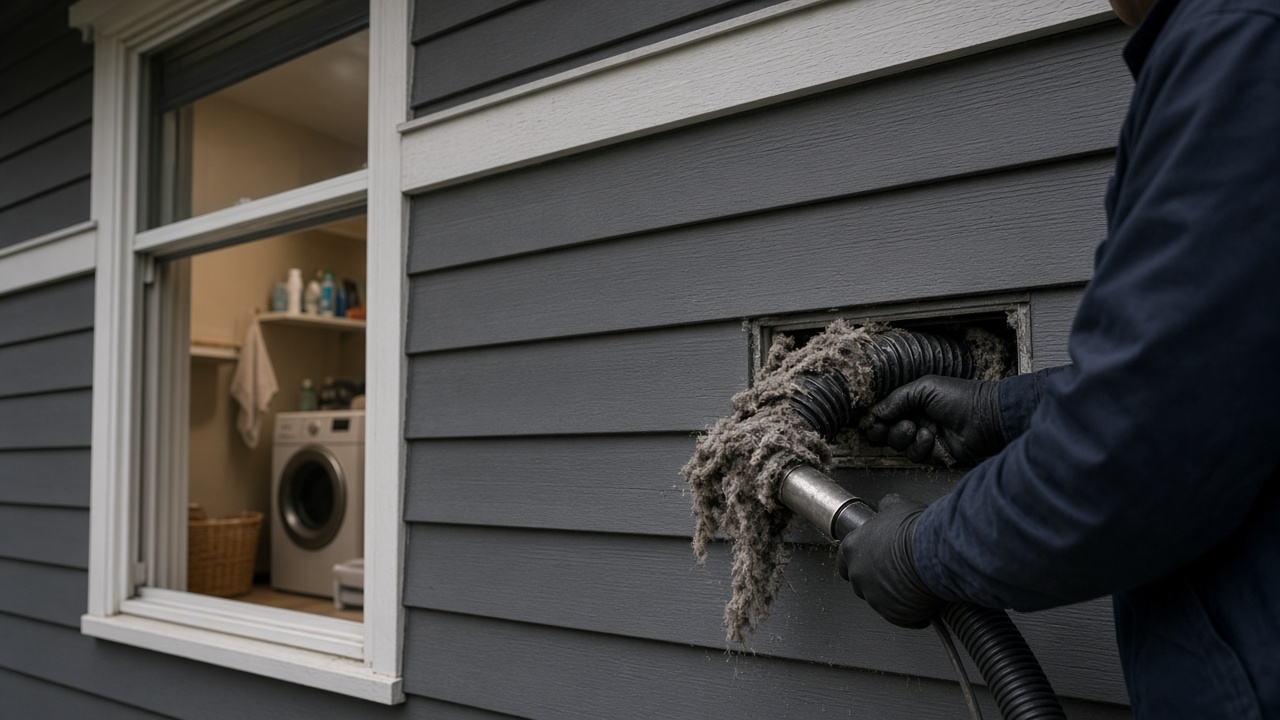
A clogged dryer vent turns a routine laundry chore into a safety hazard and an energy drain. Lint builds up inside the ductwork, forcing your dryer to run longer, hotter, and harder—and that heat buildup is a real fire risk in older homes throughout Cañon City. We inspect the entire vent path, from the dryer exhaust to the exterior termination, remove all trapped lint and debris, and restore proper airflow so your clothes dry faster and your home stays safer.
Our process starts with a thorough inspection of the vent duct, including any runs that pass through crawlspaces, attics, or along exterior walls near Royal Gorge Boulevard or downtown Cañon City. We use specialized equipment to dislodge and extract lint that standard cleaning can't reach. If we find damage, kinks, or improper ducting material, we let you know immediately—and we can often repair or replace it on the same visit.
Once the vent is clear, we test airflow to confirm the dryer is exhausting properly outdoors. We clean up our work area, give you a brief report on what we found, and provide tips to help you keep the vent clear longer. Most jobs in Fremont County homes take one to two hours, and the results are immediate—your next load will dry noticeably faster.
Crew Dispatch & Scheduling for Cañon City
How Restoration King manages lint removal from dryer vents to improve dry times and reduce fire risk for homes across Cañon City and Fremont County.
- Full visual inspection of: the entire vent duct from dryer to exterior
- Professional-grade lint and debris: removal using specialized equipment
- Colorado Springs Headquarters: Service crews dispatch from our Colorado Springs headquarters (view on Google Maps) — serving homes from downtown Cañon City and Royal Gorge area.
What We Inspect During Dryer Vent Cleaning
We examine the entire dryer exhaust pathway: the connection at the back of your dryer, the duct itself (whether it's rigid metal, flex, or an older style), transitions and elbows, any passages through walls or attic spaces, and the exterior vent hood or damper. Homes on 15th Street and in the Royal Gorge area often have vents routed through older framing or unconventional paths; we map those carefully and look for compression, holes, or lint accumulation at every joint.
We also check the damper flap to make sure it opens and closes freely, and we inspect the exterior hood to confirm it's not clogged or damaged by weather or pests. If your dryer has been running slowly or if you notice lint around the exterior vent opening, those are signs of a serious blockage that could have built up over months or years.
Use this list to understand what we inspect and clean when we service your dryer vent.
- Dryer exhaust port connection—checked for loose fittings or lint buildup
- Duct material type—identified (rigid metal, flex, or obsolete) and assessed for safety
- Lint accumulation in duct runs—fully extracted using professional equipment
- Elbows and transitions—inspected for compression, kinks, or damage
- Attic or crawlspace passages—cleared of lint and debris
- Exterior vent hood damper—tested for free movement and proper closure
- Exterior hood condition—checked for rust, corrosion, pest damage, or blockage
- Airflow restoration—confirmed with airflow test after cleaning
- Duct repairs noted—any kinked, crushed, or unsafe sections flagged for repair
- Cleaning perimeter—all dust and lint around the dryer location swept clean
- Homeowner tips—brief guidance on routine dryer maintenance
- Service report—written summary of findings and recommendations provided
After cleaning, your dryer will exhaust efficiently and safely. Schedule an annual or bi-annual cleaning to prevent buildup, especially if you have a large household with frequent laundry loads.
What's Included in Our Dryer Vent Cleaning Service
- Full visual inspection of the entire vent duct from dryer to exterior
- Professional-grade lint and debris removal using specialized equipment
- Damper and exterior hood inspection and testing
- Airflow confirmation test to verify proper exhaust performance
- Written report with findings and any repair recommendations
- Cleanup of work area and surrounding dryer space
- Homeowner education on maintenance and warning signs of vent clogs
We handle the entire job so you don't have to disassemble ducting or crawl into tight spaces. If repairs are needed, we'll discuss options and pricing on the spot.
Related situations in Cañon City
Water Damage Restoration
Stop the water and dry the structure before secondary damage.
24/7 Emergency Response
After-hours crews for water, fire, and mold emergencies.
Odor Removal
Neutralize smoke, sewage, pet, and musty odors at the source.
Carpet Cleaning
Deep extraction for traffic lanes, stains, and everyday soil.
Cañon City Residential Dryer Vent Cleaning FAQ
How often should I have my dryer vent cleaned?
We recommend cleaning once a year for most households, or twice a year if you do laundry daily or have a large family. If you notice that clothes aren't drying completely, that's a sign you need a cleaning now.
What causes dryer vent clogs?
Lint is the main culprit—it escapes the dryer's lint trap and accumulates inside the duct over time. Damaged ducting, kinks, or crushed sections can also trap lint. In Fremont County homes, vents that run long distances through attics or exterior walls are especially prone to buildup.
How long does the cleaning take?
Most dryer vent cleanings take one to two hours. The time depends on vent length, duct condition, and how much lint has built up. We'll give you a timeframe when we arrive and inspect your system.
Can I clean the dryer vent myself?
You can clean the lint trap after every load—that's essential. But cleaning inside the ductwork requires specialized tools and knowledge of safe practices. A clogged vent is a serious fire risk, so we recommend a professional inspection and cleaning at least annually.
Do you service homes near downtown Cañon City and the Royal Gorge area?
Yes. We serve all of Fremont County, including downtown Cañon City, the Royal Gorge area, and neighborhoods along Highway 50 and 15th Street. Call (719) 282-0997 to confirm service to your address.
What if you find a damaged or unsafe vent?
We'll show you the damage, explain why it's a concern, and provide a repair estimate on the spot. Common fixes include replacing crushed flex duct with rigid metal, repairing leaking joints, or relocating a vent that's kinked or compressed. You decide whether to proceed immediately or schedule repairs for later.
Nearby communities
- Residential Dryer Vent Cleaning in Florence
- Residential Dryer Vent Cleaning in Colorado Springs
- Residential Dryer Vent Cleaning in Fountain
- Residential Dryer Vent Cleaning in Security-Widefield
- Residential Dryer Vent Cleaning in Stratmoor
- Residential Dryer Vent Cleaning in Fort Carson
- Residential Dryer Vent Cleaning in Monument
- Residential Dryer Vent Cleaning in Falcon
Restoration King — Colorado Springs
Serving Fremont County and nearby Front Range communities.
Schedule Your Dryer Vent Cleaning in Cañon City
Call us at (719) 282-0997 or request a service appointment online. We'll clear your vent, restore your dryer's efficiency, and protect your home from lint-fire risk.